Blog

Blog
December 31, 2025

VB71 vs VB81: Which High-Pressure Two-Way Ball Valve Fits Your System Requirements?

In industries where fluid control, pressure management, and operational safety are critical, choosing the right ball valve can significantly impact system performance and reliability. Whether you’re working in oil & gas, chemical processing, power generation, or industrial instrumentation, a valve failure can lead to costly downtime or, worse, safety incidents.
November 29, 2025

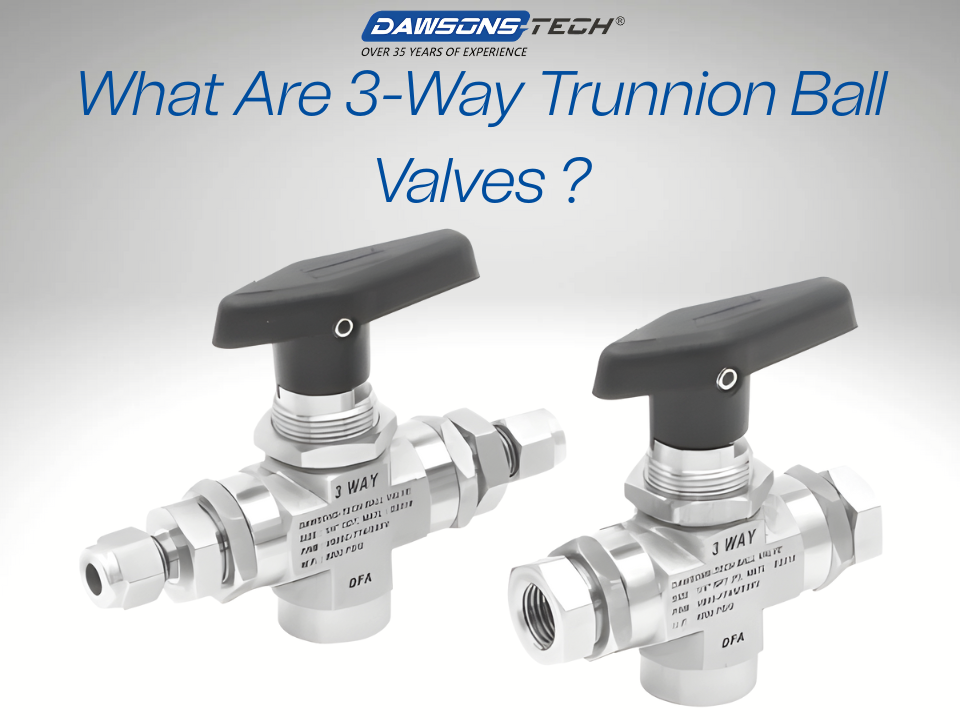
Why Choose a 3-Way Trunnion Ball Valve? Benefits, Uses & Industry Guide

When your entire system depends on smooth, reliable, and safe fluid flow, every component matters, especially your valves. One wrong choice can slow operations, compromise safety, and increase maintenance costs. But the right valve? It can completely transform how efficiently your plant runs.And that’s exactly why more engineers and system designers are switching to 3-way trunnion ball valves.
September 25, 2025

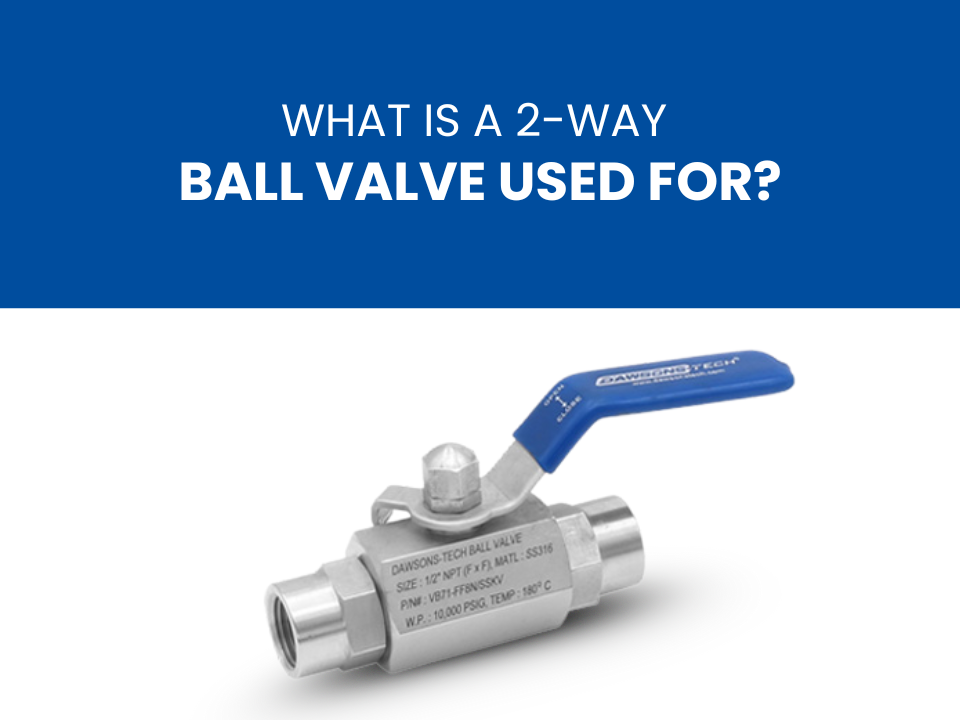
What is a 2-Way Ball Valve Used For?

A 2-way ball valve is one of the most widely used shut-off valves in pipelines. Learn what it is, how it works, its applications in oil & gas, chemical, water treatment, and why stainless steel 2-way ball valves are the most reliable choice.
September 15, 2025

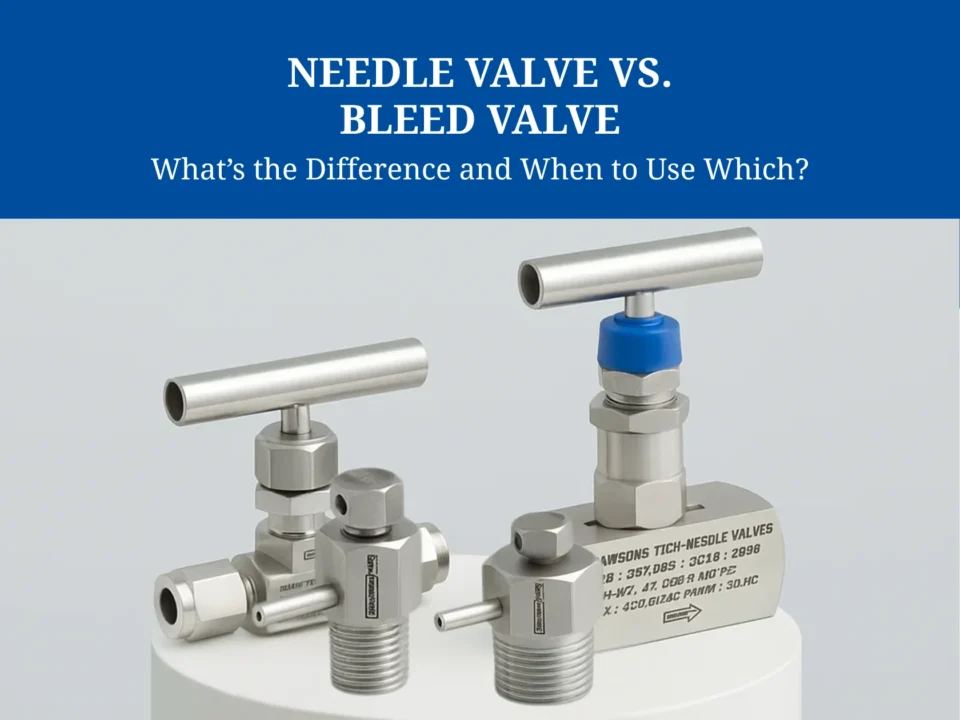
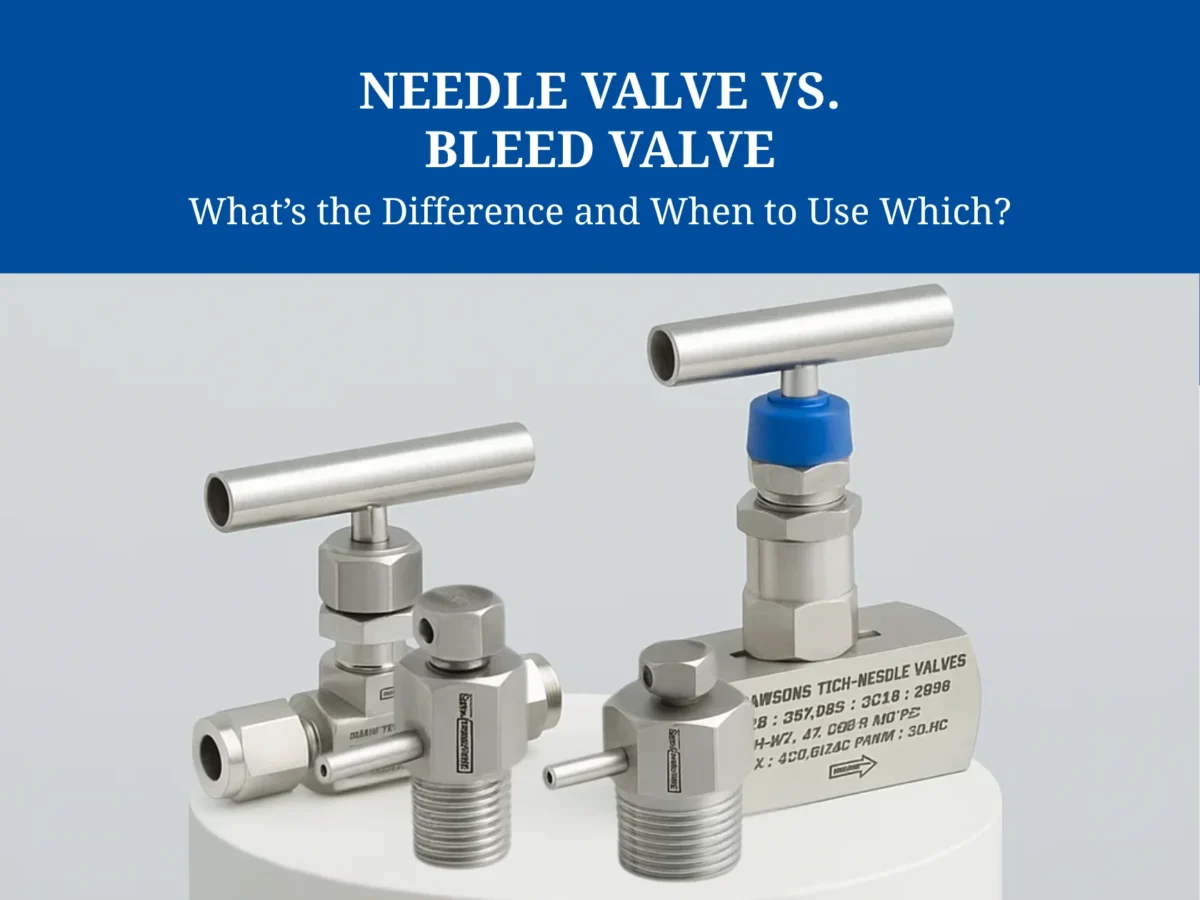
Needle Valve vs. Bleed Valve: What’s the Difference and When to Use Which?

In high-pressure systems—like hydraulic assemblies, instrumentation setups, or CNG fueling infrastructure—the choice of valve types can significantly affect operational safety and precision. At Dawson’s-Tech, our offerings include expert-engineered needle valves and bleed valves—critical components designed for exacting applications. This comprehensive guide will help you understand the differences between needle valves and bleed valves, when each is most appropriate, and how Dawson's-Tech ensures uncompromising quality.
August 14, 2025

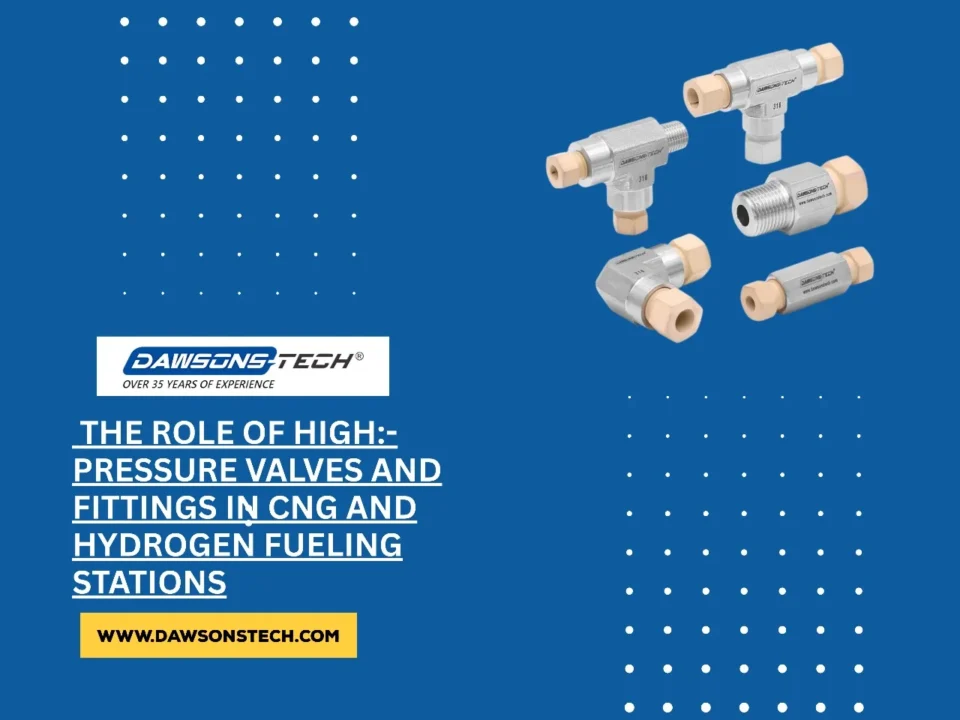
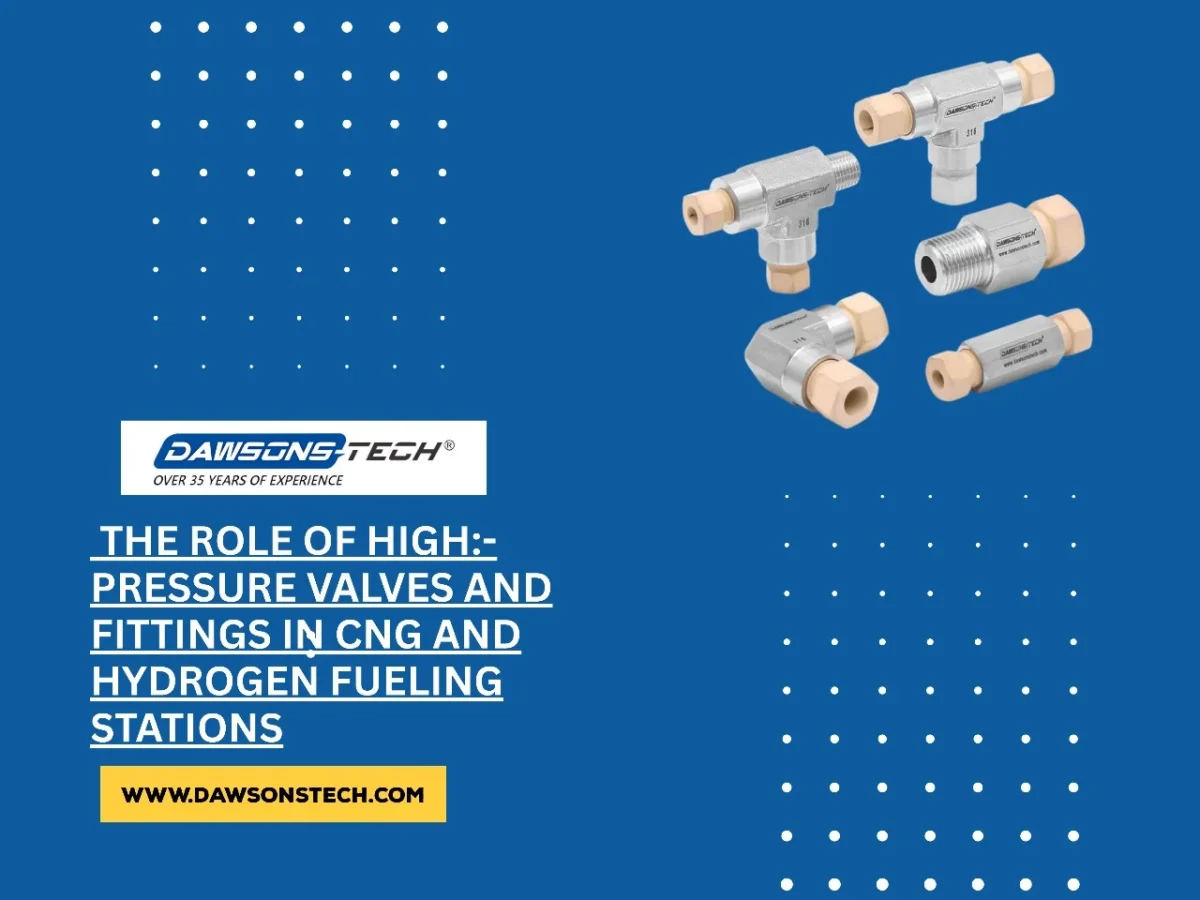
The Role of High-Pressure Valves and Fittings in CNG and Hydrogen Fueling Stations

As the world shifts towards cleaner and more sustainable energy sources, Compressed Natural Gas (CNG) and Hydrogen have emerged as leading alternatives to conventional fossil fuels. Both fuels are environmentally friendly, cost-effective, and efficient in reducing greenhouse gas emissions. However, working with these gases requires precision, reliability, and safety in every component of the fueling infrastructure.
September 24, 2022

Needle VS. Ball Valves for Flow Control: Everything You Need To Know

Whether you are building a simple piping system to help move materials through your processes or a complex multi-step system with automated controls, monitoring, and other […]