Choosing the Right NGV Fueling Nozzle: DTNZ21 vs DTNZ81 Complete Guide
December 16, 2025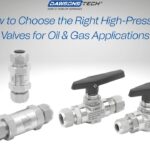
How to Choose the Right High-Pressure Valves for Oil & Gas Applications
January 22, 2026

One small valve failure can bring an entire high-pressure system to a halt.
In industries where fluid control, pressure management, and operational safety are critical, choosing the right ball valve can significantly impact system performance and reliability. Whether you’re working in oil & gas, chemical processing, power generation, or industrial instrumentation, a valve failure can lead to costly downtime or, worse, safety incidents.
This is where high-pressure two-way ball valves like VB71 and VB81 come into the picture. Both are engineered for demanding applications, but each serves a different purpose depending on how and where it’s used.
This guide helps you understand their differences so you can confidently select the valve that truly fits your system requirements.
Table of Contents
- What Is a High-Pressure Two-Way Ball Valve?
- Why Ball Valve Selection Matters
- Overview of VB71 Two-Way Ball Valve
- Overview of VB81 Two-Way Ball Valve
- VB71 vs VB81: Key Differences Explained
- Typical Applications for Each Valve
- Installation and Operational Considerations
- Why Engineers Choose Dawsonstech
- Final Thoughts
What Is a High-Pressure Two-Way Ball Valve?
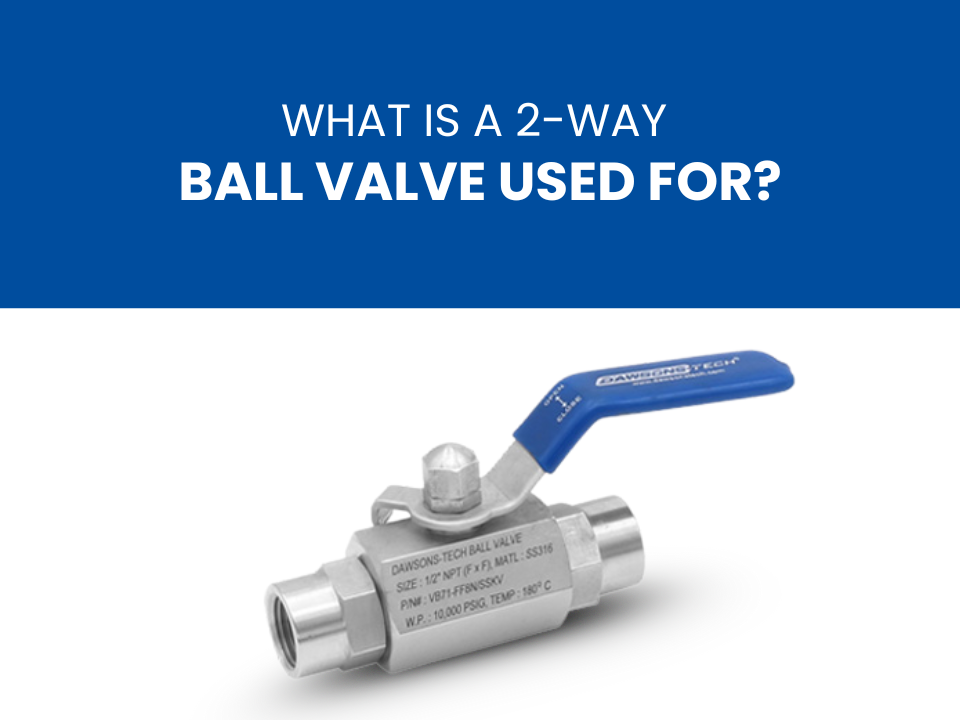
A two way ball valve is a shut-off valve that allows or blocks flow using a rotating ball with a straight bore. With a simple quarter-turn operation, it provides fast, reliable on/off control.
In high-pressure systems, these valves must do much more than open and close. They must:
- Maintain leak-tight sealing under pressure
- Handle pressure surges and fluctuations
- Operate smoothly over long service cycles
- Resist wear, corrosion, and deformation
That’s why valve design, internal sealing, and construction quality matter just as much as pressure rating.
Why Ball Valve Selection Matters
Choosing the wrong ball valve can lead to:
- Internal leakage
- Reduced pressure efficiency
- Increased maintenance frequency
- Safety risks
- Shortened system lifespan
High-pressure systems don’t forgive weak components. Selecting the right valve ensures long-term reliability, lower operating costs, and safer operations.
Overview of VB71 Two-Way Ball Valve
The VB71 series is designed for extreme pressure applications where strength and sealing integrity are top priorities.
What Makes VB71 Stand Out
- Built for very high-pressure environments
- Strong body construction designed to withstand heavy internal forces
- Designed for consistent sealing even under pressure fluctuations
- Suitable for in-line installation in critical flow paths
VB71 is typically selected when systems operate close to upper pressure limits and require an additional safety margin. It prioritizes durability and pressure handling above all else.
Overview of VB81 Two-Way Ball Valve
The VB81 series is also engineered for high-pressure service but adds a key advantage: practical system integration.
Key Strengths of VB81
- Designed for high-pressure operation within standard industrial ranges
- Panel-mount friendly design for control systems
- Compact and accessible layout
- Smooth and easy quarter-turn operation
VB81 is often chosen for systems where space efficiency, accessibility, and clean panel layouts are important, without compromising on performance.
VB71 vs VB81: Key Differences Explained
| Feature | VB71 | VB81 |
| Pressure capability | Extremely high | High |
| Installation type | In-line piping | Panel mount & in-line |
| Best suited for | Heavy-duty systems | Control panels & compact layouts |
| Focus | Strength & pressure resistance | Usability & integration |
| Maintenance access | Moderate | Easy |
In simple terms:
VB71 is built for maximum pressure strength, while VB81 is designed for system convenience and accessibility.
Typical Applications for Each Valve
VB71 Applications
- High-pressure gas lines
- Hydraulic systems
- Process pipelines
- Industrial systems with pressure surges
VB81 Applications
- Instrumentation panels
- Gas distribution panels
- Compact industrial equipment
- Systems requiring frequent operation or monitoring
Installation and Operational Considerations
Even the best valve can fail if installed incorrectly. Proper installation ensures:
- Correct torque application
- Proper alignment
- Long-term sealing performance
VB81 offers easier access for operators and technicians, especially in panel-mounted setups. VB71, while extremely robust, is best installed in fixed pipeline sections where access is less frequent but strength is critical.
Why Engineers Trust Dawsonstech
Dawsonstech isn’t just a component supplier; we’re a solution partner for industrial fluid and gas systems.
Customers rely on us for:
- High-quality manufacturing standards
- Consistent product reliability
- Compatibility with global system requirements
- Technical support and application guidance
- Valves designed for real-world industrial conditions
Our focus is on helping engineers build systems that perform reliably over time, not just meet specifications.
Final Thoughts
When choosing between VB71 and VB81, the right answer depends on how your system operates, not just how it’s designed on paper.
- Choose VB71 when pressure limits, durability, and safety margins are your top concerns.
- Choose VB81 when you need reliable high-pressure control with better accessibility and panel integration.
In high-pressure environments, the right valve protects your system, your investment, and your people. And that’s a decision worth making carefully.