VB71 vs VB81: Which High-Pressure Two-Way Ball Valve Fits Your System Requirements?
December 31, 2025
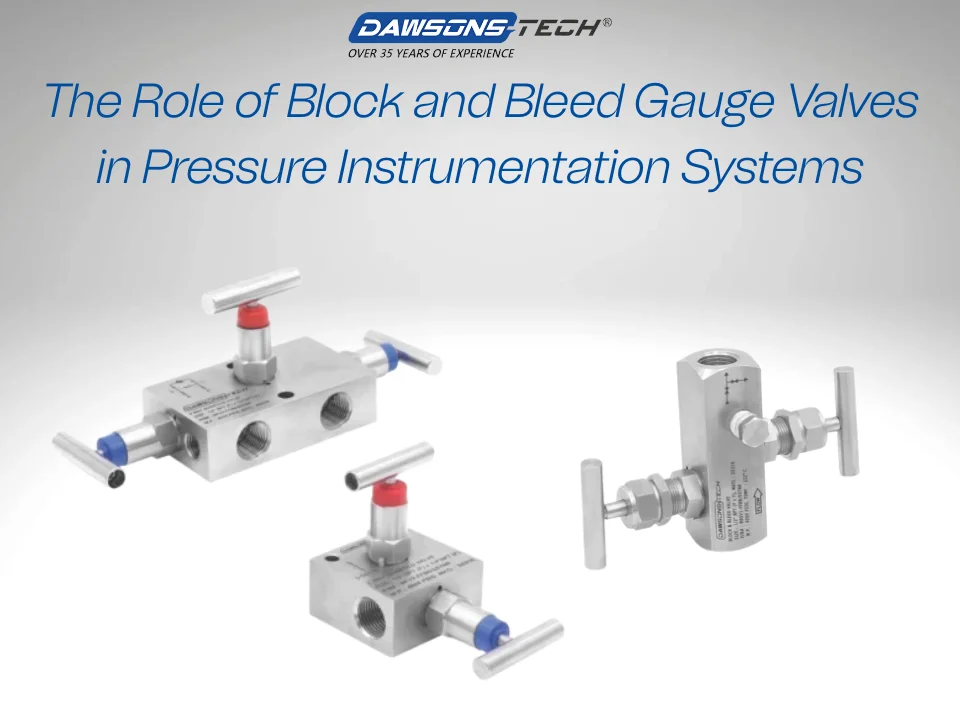
The Role of Block and Bleed Gauge Valves in Pressure Instrumentation Systems
February 13, 2026
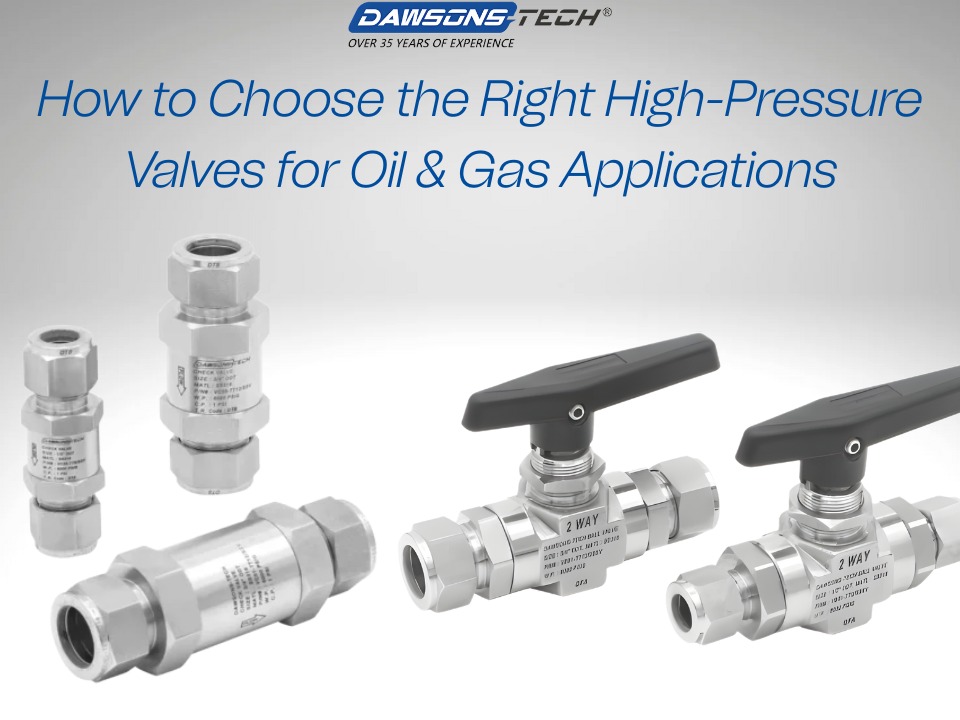
In oil and gas instrumentation systems, high-pressure valves are safety-critical components, not standard off-the-shelf items. These valves operate in demanding environments where high pressure, temperature variations, corrosive media, and continuous operation are common. A valve that performs well in a general industrial application may fail prematurely in oil & gas service.
This guide explains how to choose the right high pressure valves for oil and gas applications, focusing specifically on instrumentation and control systems, where reliability, leak-free performance, and regulatory compliance are essential.
Why High-Pressure Valve Selection Is Critical in Oil & Gas
Oil & gas facilities rely on instrumentation valves for:
- Line isolation
- Pressure measurement and control
- Equipment protection
- Safe maintenance and calibration
Failures in high-pressure instrumentation valves often lead to leakage, inaccurate readings, or unplanned shutdowns. In extreme cases, they can compromise personnel safety and environmental compliance. Correct valve selection directly impacts plant reliability and lifecycle cost.
Step 1: Define Pressure Class and Operating Conditions
The first step in selecting high-pressure valves for oil and gas applications is understanding actual system conditions.
Engineers should clearly define:
- Maximum operating pressure
- Pressure surges and cyclic loading
- Operating temperature range
- Continuous or intermittent duty
In instrumentation systems, valves experience frequent micro-cycling. Designs suitable for general process service may not perform reliably under these conditions. Selecting valves aligned with ASME design practices and appropriate pressure ratings helps ensure long-term stability.
Step 2: Select the Correct Valve Type for the Application
Different valve types serve different functions in oil & gas instrumentation systems. Choosing the wrong type is one of the most common causes of performance issues.
Technical Comparison of Common High-Pressure Valves
| Feature | Ball Valve | Needle Valve | Check Valve |
| Main Function | Quick on/off isolation | Fine flow regulation | Prevent reverse flow |
| Control Precision | Low | High | Not applicable |
| Typical Use | Isolation points | Instrument & sampling lines | Pump/compressor protection |
| Instrumentation Suitability | Moderate | High | Application-specific |
Engineering guidance:
- Use ball valves where fast, positive isolation is required
- Use needle valves where gradual pressure control protects instruments
- Use check valves to prevent backflow-related damage
Step 3: Material Selection Based on Service Conditions
Material selection directly affects valve life, safety, and maintenance frequency.
Common material considerations in oil & gas instrumentation include:
- Corrosion resistance
- Mechanical strength under pressure
- Compatibility with process media
Stainless steels such as ASTM A479 SS316 / SS316L are widely used for instrumentation valves due to their balance of corrosion resistance and strength.
Engineering insight:
In offshore or coastal environments (common in Europe and global EPC projects), molybdenum-rich stainless steels are often preferred to reduce the risk of chloride-induced corrosion in instrumentation systems.
Step 4: Sealing Performance and Leakage Prevention
Leakage in oil & gas instrumentation systems most often occurs due to:
- Inadequate stem sealing
- Improper seat design
- Valves are not intended for cyclic pressure service
High-pressure instrumentation valves must maintain sealing integrity over repeated operations and pressure fluctuations. Precision machining, controlled tolerances, and stable sealing designs are critical for long-term leak-free performance.
Step 5: Installation and Maintenance Considerations
Oil & gas facilities frequently operate in space-constrained or remote environments. Valve selection should consider:
- Compact design
- Ease of operation
- Accessibility for maintenance
Instrumentation-specific valve designs simplify installation and calibration isolation, reducing downtime and improving operational efficiency.
Step 6: Compliance with PED for European Oil and Gas Projects
For oil and gas projects supplying equipment to European markets such as Germany, France, and Denmark, compliance with the Pressure Equipment Directive (PED) is a mandatory requirement.
PED governs the design, manufacturing, inspection, and conformity assessment of pressure equipment placed on the European market.
Why PED Compliance Matters
From an engineering perspective, PED compliance evaluates more than pressure rating. It considers:
- Design integrity under pressure
- Material traceability and documentation
- Manufacturing and inspection controls
- Suitability for integration into regulated pressure systems
Instrumentation valves often form part of pressure measurement and control assemblies, which may fall under PED scope depending on system configuration.
Engineering insight:
For EPC contractors and system integrators working on cross-border oil & gas projects, selecting PED compliant or PED-ready high-pressure instrumentation valves helps reduce approval delays and simplifies conformity assessment during project execution.
Manufacturers supporting global oil & gas projects must therefore demonstrate controlled manufacturing processes and technical documentation aligned with PED requirements.
Step 7: Evaluate Manufacturer Capability and Engineering Support
Beyond the valve itself, successful projects depend on the manufacturer’s capability.
Key factors to assess:
- Consistency of manufacturing quality
- Engineering understanding of instrumentation systems
- Availability of technical documentation
- Application-level support during selection
Manufacturers experienced in high-pressure instrumentation valves and fittings understand how design details influence long-term field performance.
Final Engineering Checklist
Before final selection, confirm that the valve:
- ✔ Matches system pressure and duty
- ✔ Uses appropriate valve type
- ✔ Is manufactured from suitable material grades
- ✔ Provides reliable sealing under cyclic pressure
- ✔ Supports PED requirements for European projects (where applicable)
Conclusion
Choosing the right high-pressure valves for oil and gas applications is an engineering-driven decision. When pressure class, valve type, material selection, sealing design, and regulatory compliance are aligned, instrumentation systems operate safely and reliably over the long term.
In oil & gas operations, valve reliability is directly linked to safety, uptime, and regulatory acceptance, making informed selection essential.