Why Twin Ferrule Tube Fittings Are Preferred Over Single Ferrule Designs
February 24, 2026
CNG Fueling Station Procurement Guide: Breakaways, Nozzles, Receptacles & Filters You Must Use
March 31, 2026
Introduction
A single leaking tube fitting can shut down an entire industrial process.
In high-performance industrial environments, whether in oil & gas facilities in the United States, chemical plants in Germany, manufacturing units in India, refineries in Russia, or energy infrastructure across France and Denmark, the reliability of fluid systems depends heavily on one critical component: tube fittings.
These small but essential components connect instrumentation tubing and ensure the safe transport of fluids or gases under high pressure. If the wrong fitting is selected, the consequences can include leakage, pressure loss, system downtime, and serious safety risks.
For procurement managers, engineers, and industrial buyers, choosing the right fitting is not simply a purchasing decision; it is about ensuring system reliability, operational safety, and long-term performance.
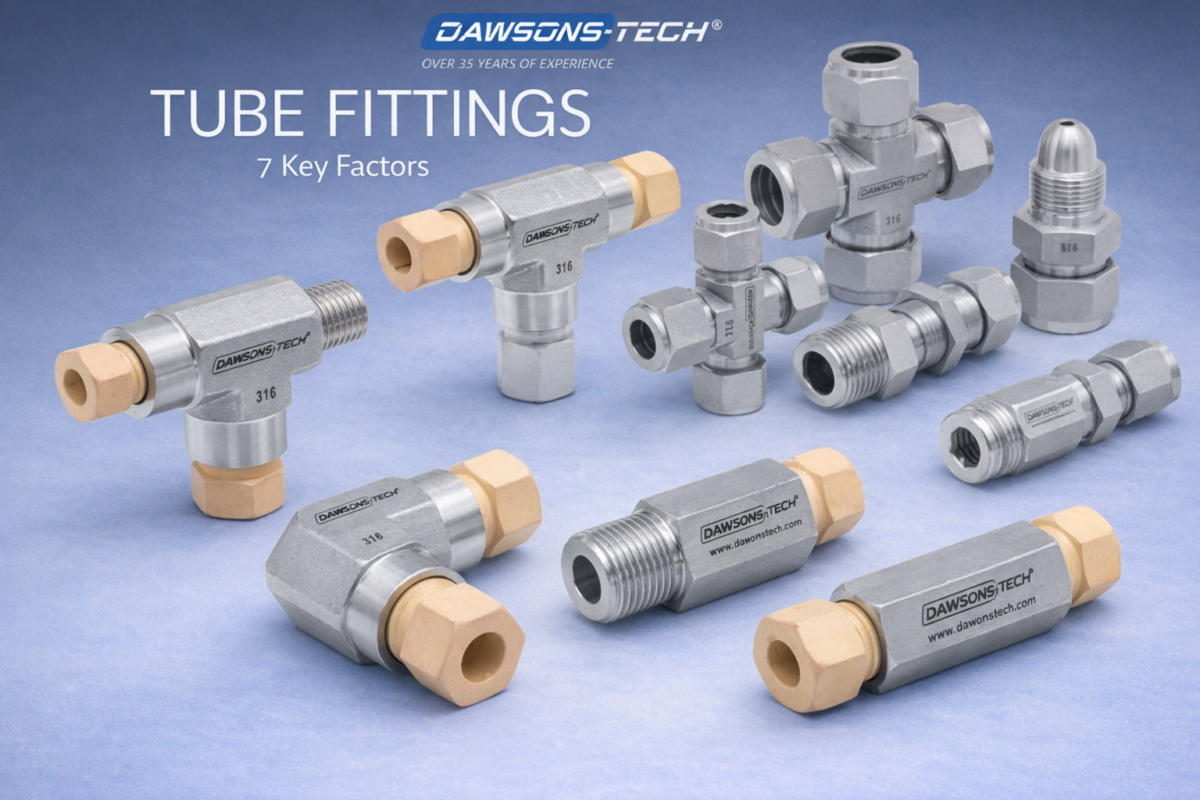
If you are sourcing high-pressure tube fittings, here are seven critical factors you must evaluate before placing an order.
What Are High-Pressure Tube Fittings?
High-pressure tube fittings are precision-engineered mechanical components used to connect tubes in systems carrying fluids or gases under elevated pressure.
They are widely used in industries such as the following:
- Oil & gas processing
- Petrochemical plants
- Chemical manufacturing
- Power generation
- Process instrumentation systems
These fittings are designed to provide leak-tight sealing, mechanical strength, and reliable fluid flow even under demanding industrial conditions.
1. Pressure Rating and System Compatibility
One of the first things buyers must verify is the pressure rating of the fitting.
Every industrial system operates within specific pressure and temperature limits. Using a fitting that cannot handle these conditions can lead to premature failure or leakage.
Before purchasing tube fittings, confirm:
- Maximum working pressure
- Temperature limits
- Type of media (gas, fluid, corrosive chemicals)
- Potential pressure fluctuations or surges
Many reputable manufacturers design fittings with a safety factor (often around 4:1) to ensure safe operation during pressure spikes.
Selecting fittings that match system parameters ensures safe and stable operation.
2. Material Metallurgy and Corrosion Resistance
Material quality has a direct impact on the longevity and reliability of tube fittings.
Different industrial environments require different materials.
Common materials include:
Stainless Steel (SS316 / SS316L)
Widely used because of its excellent corrosion resistance and durability in harsh environments.
Brass
Often used in lower-pressure systems where corrosion resistance requirements are moderate.
Special Alloys (Monel, Hastelloy)
Preferred in highly corrosive chemical environments where standard stainless steel may not perform effectively.
Professional buyers should always request Material Test Certificates (MTC) to verify the material composition and traceability.
3. Compliance with International Standards
Industrial buyers working across global markets must ensure that fittings meet internationally recognized quality standards.
Look for manufacturers that comply with:
- ISO 9001:2015 quality management systems
- ASTM material standards
- PED (Pressure Equipment Directive) compliance for European markets
These certifications confirm that fittings meet strict manufacturing, safety, and quality benchmarks required in global industries.
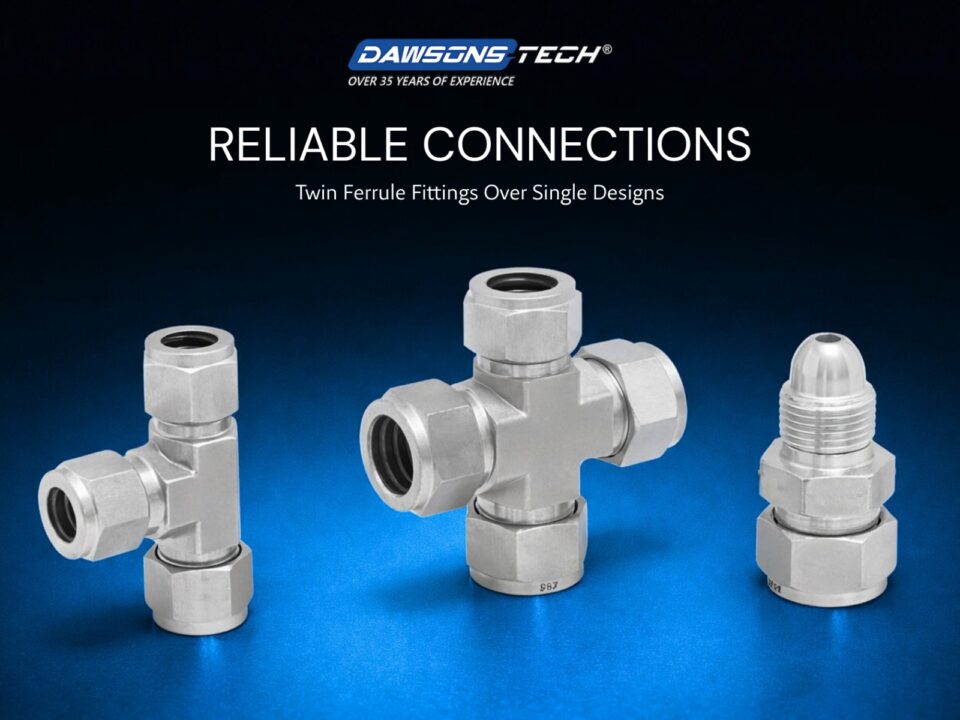
4. Design Efficiency: Single vs Double Ferrule Fittings
The design of a tube fitting greatly influences its sealing capability.
Single Ferrule Fittings
Single ferrule fittings are used in basic systems but may offer limited resistance to vibration or mechanical stress.
Double Ferrule Fittings
Double ferrule fittings are widely preferred in high-pressure instrumentation applications.
In this design:
- The front ferrule creates the primary seal
- The back ferrule grips the tube firmly
This design improves the following:
- Sealing reliability
- Resistance to vibration
- Tube grip strength
Because of these advantages, double ferrule tube fittings are commonly used in critical instrumentation systems worldwide.
5. Resistance to Vibration and Thermal Cycles
Industrial systems rarely operate in perfectly stable conditions.
They often experience:
- Equipment vibration
- Thermal expansion and contraction
- Pressure cycling
Poor-quality fittings may loosen or fail under these conditions.
High-quality stainless steel instrumentation fittings are engineered to withstand repeated vibration and temperature changes while maintaining leak-tight performance.
Always confirm whether fittings are tested for vibration resistance and mechanical durability.
6. Precision Engineering and Interchangeability
Precision manufacturing is essential for reliable performance.
Tube fittings must maintain strict dimensional tolerances to ensure compatibility with tubing systems.
Key features to verify include:
- Accurate machining tolerances
- Consistent thread standards (NPT, BSP, Metric)
- Smooth surface finishing
These characteristics ensure proper sealing, easy installation, and compatibility with global piping systems.
7. Supplier Expertise and Technical Support
Selecting the right supplier is just as important as choosing the right fitting.
An experienced manufacturer should provide the following:
- Technical guidance based on your application
- Product customization options
- Engineering consultation when required
- Global shipping and export documentation support
Working with a reliable supplier ensures that the fittings match both technical specifications and operational requirements.
Industries That Use High-Pressure Tube Fittings
High-pressure tube fittings are used in many industrial sectors, including:
- Oil & Gas processing plants
- Petrochemical refineries
- Chemical manufacturing facilities
- Power generation stations
- Hydrogen and CNG infrastructure
- Industrial instrumentation systems
In these environments, fittings play a critical role in maintaining safe and efficient fluid control systems.
Quick Checklist Before Choosing a Supplier
Before finalizing your purchase, ask the following questions:
- Do they supply certified high-pressure tube fittings?
- Are Material Test Certificates available?
- Do they specialize in double ferrule instrumentation fittings?
- Can they support international shipping and compliance requirements?
Using this checklist helps reduce risk and ensures you select reliable industrial components.
Common Mistakes Buyers Should Avoid
Even experienced procurement teams sometimes overlook important details.
Common mistakes include:
- Choosing suppliers only based on price
- Ignoring certification and testing standards
- Selecting incorrect materials for the application
- Skipping technical consultation before purchase
These mistakes can lead to system failures, increased maintenance costs, and production downtime.
Conclusion: Choose Reliability, Not Just Price
High-pressure tube fittings play a critical role in maintaining the safety and efficiency of industrial fluid systems.
For buyers and engineers, the focus should always be on material quality, design reliability, manufacturing precision, and supplier expertise.
Companies like Dawsons-Tech Components LLP specialize in manufacturing precision instrumentation fittings, including double ferrule tube fittings and high-pressure components designed for demanding industrial environments.
Choosing the right supplier ensures that your systems operate safely, efficiently, and reliably over the long term.
FAQs
What are high-pressure tube fittings used for?
High-pressure tube fittings are used to connect tubing in systems that transport fluids or gases under elevated pressure while maintaining leak-tight sealing.
Why are double ferrule fittings preferred?
Double ferrule fittings provide improved sealing, stronger tube grip, and better resistance to vibration compared with single ferrule designs.
Which material is best for industrial tube fittings?
Stainless steel SS316 or SS316L is widely preferred due to its corrosion resistance, strength, and durability in harsh industrial environments.